



In one of our previous articles, we discussed the procedure for confirmation of Polish citizenship by individuals whose ancestors (parents or grandparents) emigrated from Poland during the interwar period or after the end of World War II. We explained that under the Polish Citizenship Act of January 8, 1951, which entered into force on January 19, 1951, the acquisition of citizenship of another state (naturalization) generally did not result in the loss of Polish citizenship.
What happens, however, if the ancestor of the person concerned acquired foreign citizenship before that date?
Research into Polish ancestry by descendants of emigrants may lead to the conclusion that their ancestors lost Polish citizenship as a result of acquiring the citizenship of a foreign state before January 19, 1951.
However, this does not necessarily close the way to restoring Polish citizenship and, consequently, obtaining a Polish passport.
In certain cases, it is possible to initiate proceedings for the restoration of Polish citizenship.
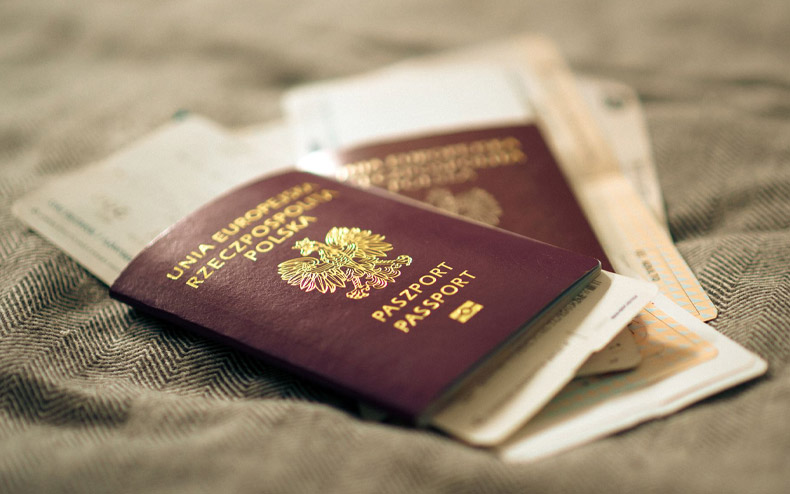
photo Jakub Zerdzicki / Pexels – Submitting an application for restoration of Polish citizenship through a Polish consul
1. When Was Polish Citizenship Lost?
Pursuant to Article 11 of the Act of January 20, 1920 on the Citizenship of the Polish State, Polish citizenship was lost by operation of law:
- through the acquisition of foreign citizenship;
- through acceptance of a public office or enlistment in military service (including not only active service, but also formal registration in the reserve forces) in a foreign state without the consent of the Polish Government.
However, the rule set out in Article 11(1) of the 1920 Act was subject to an important exception. Individuals liable for compulsory military service could acquire foreign citizenship only after obtaining permission from the Minister of Military Affairs and, from 1933, after obtaining a formal exemption from universal military service. In the absence of such permission or exemption, they continued to be regarded as Polish citizens by the Polish State. Accordingly, if a Polish citizen subject to compulsory military service acquired foreign citizenship but did not accept a public office or enter military service in that foreign state, he did not lose Polish citizenship. As military service obligations applied to men, children born to such a man after his marriage acquired Polish citizenship through their father. In such a case, the appropriate procedure is confirmation of Polish citizenship, as discussed in our previous article.
However, if the above exception did not apply, the acquisition of foreign citizenship before January 19, 1951 resulted in the loss of Polish citizenship.
Moreover, pursuant to Article 13 of the Act, the loss of Polish citizenship extended to the wife of the person losing Polish citizenship and to his children under the age of 18.
2. Is Restoration of Polish Citizenship Possible?
Yes. If the statutory conditions are met, it is possible to submit an application for restoration of Polish citizenship.
Pursuant to Article 38(1) of the Act of April 2, 2009 on Polish Citizenship, a foreign national who lost Polish citizenship before January 1, 1999, including under Articles 11 or 13 of the Act of January 20, 1920 on the Citizenship of the Polish State, may have Polish citizenship restored upon application.
Can a Descendant Apply for Restoration of Polish Citizenship?
A descendant of a person who lost Polish citizenship may also apply for restoration of Polish citizenship if, under the regulations in force at the time, the effects of the parent’s loss of citizenship extended to that descendant.
The applicant must demonstrate that they held Polish citizenship before acquiring foreign citizenship.
How Can Previous Polish Citizenship Be Documented?
It should be remembered that Polish citizenship was held not only by persons born within the territory of the Second Polish Republic, but also by persons born before Poland regained independence who resided in territories formerly belonging to the partitioning powers and later incorporated into the Polish State. The detailed rules determining who held Polish citizenship in such cases were set out in the 1920 Act, although in some cases it is also necessary to refer to peace treaties concluded after World War I.

photo Sebastian Indra / MSZ – Submitting an application for restoration of Polish citizenship through a Polish consul
3. Application for Restoration of Polish Citizenship – Formal Requirements
How Does the Restoration of Polish Citizenship Procedure Work?
Polish citizenship is restored by the minister competent for internal affairs by way of an administrative decision. Persons residing outside Poland submit the application through the competent Polish consul.
How Much Does Restoration of Polish Citizenship Cost?
If the application is submitted directly to the Minister, the stamp duty for issuing the decision on restoration of Polish citizenship is PLN 1,000. If the application is submitted through a Polish consulate, a consular fee applies in accordance with the applicable consular fee schedule. An additional PLN 17 is payable for each power of attorney, where applicable.
How Long Does Restoration of Polish Citizenship Take?
The Ministry of the Interior and Administration has six months to issue a decision on restoration of Polish citizenship. In justified cases, this deadline may be extended.
Application for Restoration of Polish Citizenship – Required Documents
The application must be submitted on the official form and completed exclusively in Polish. It should be accompanied by:
- a document confirming the applicant’s identity and citizenship;
- documents confirming any changes of first name or surname, if applicable;
- available documents confirming the loss of Polish citizenship;
- a photograph of the applicant.
The application should therefore include both documents confirming the acquisition of foreign citizenship and documents proving the applicant’s previous possession of Polish citizenship. Documents confirming previous possession and loss of Polish citizenship should primarily be sought in state archives relevant to the family history. It may also be useful to consult parish registers and records of religious communities.
Copies of Polish and foreign documents submitted through a consulate must be certified as true copies of the originals by the consul. Documents in a foreign language must be translated into Polish by a sworn translator or a Polish consul. Documents issued outside the European Union should bear an apostille if they originate from a country that is a party to the Hague Convention of October 5, 1961, or otherwise be legalised by a Polish consul.